 Mfundo Ndima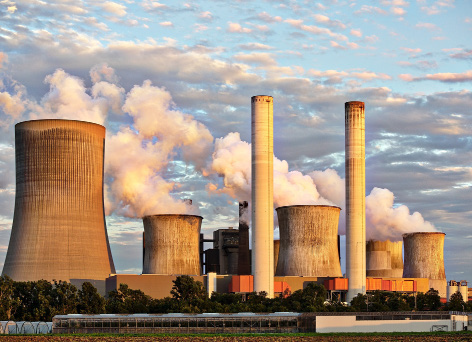
It is no secret to any South African that our country’s economy has not been performing as preferred in the past few years. We have experience prominent levels of unemployment especially during the two years of covid-19, interest rates hikes by the reserve bank to curb inflation, food prices, the continuous decline of the South African currency, corruption, the Russian-Ukraine war, and load-shedding.
All these occurrences have made the cost of living in South Africa unbearable and ruined the lives of many people. One of the three biggest credit rating agencies in the world have, as reported by Business Day, predicted zero real GDP growth in 2023 and weaker revenues due to load-shedding and political uncertainty. This on it own beg the need for an economic reform before we witness major upheavals.
The predicted zero real GDP growth hinders overall economic growth in South Africa, especially with load-shedding unresolved. This puts the country on a disadvantage in decreasing the crisis of unemployment and decrease investor confidence, which is unlikely to attract foreign direct investments (FDI’s). Furthermore, the weaker revenues are likely to causes cashflows problems for businesses and hinder development plans in place.
Recently in March, President Ramaphosa appointed a minister of electricity to coordinate governments response to the electricity crisis. Moreover, the president signed a proclamation that transfers certain powers and functions entrusted by the Electricity Regulation Act to the minister. We are yet to see if the problem will be resolved but recently, we have experienced stage 6 of load-shedding. According to reports, we experience load shedding due to a decline in Eskom’s generating capacity and unmatched demand of electricity which causes a disequilibrium. The effects have been dire, both economically and socially.
However, they are signs of relief as the Consumer Price Index (CPI) eases to 5.4% in June from 6.3% in May. This keeps the CPI within the Reserve banks target of 3-6%. For now, we should expect no more food price increases as they have been a decline of 0.8%. This gives relief to many people since food prices have been unbearable for South Africans, especially with the sticky wage rate in the short run. We have also seen various protests from trade unions demanding higher wages for workers not to feel the pain of high interest rates.
Furthermore, crime has also been a factor in this economic crisis. With an unemployment rate of 32.9% the country has seen an increase in crime rates which has negatively affected small business operating hours. However, citizens are the most affected when it comes to crime in the country. Over the year 2022, they have been an increase in car theft, murder, housebreaking, and sexual offenses. This has made citizens unsafe and has negatively affected domestic tourism as crime varies from province to province.
Therefore, it noteworthy that they are numerous factors that contribute to an economic crisis. These fragments have their own effects and need different strategies to deal with. It takes the cooperativeness of government and the people. The government has not been active enough in taking it responsibility to address this real economic crisis, it must first deal with its own corruption issues. Citizens bear the effects alone and have one choice, to exercise their democratic right and protest.



That is our government the mighty mbutho ka Mandela they never fail to fail, how is it possible that South Africa is the fourth largest coal exporting country in the world and we facing Loadshedding? Whilst our buyers the Europeans know literally nothing about loadshedding? How do you sell what you lack?