 Mfundo Ndima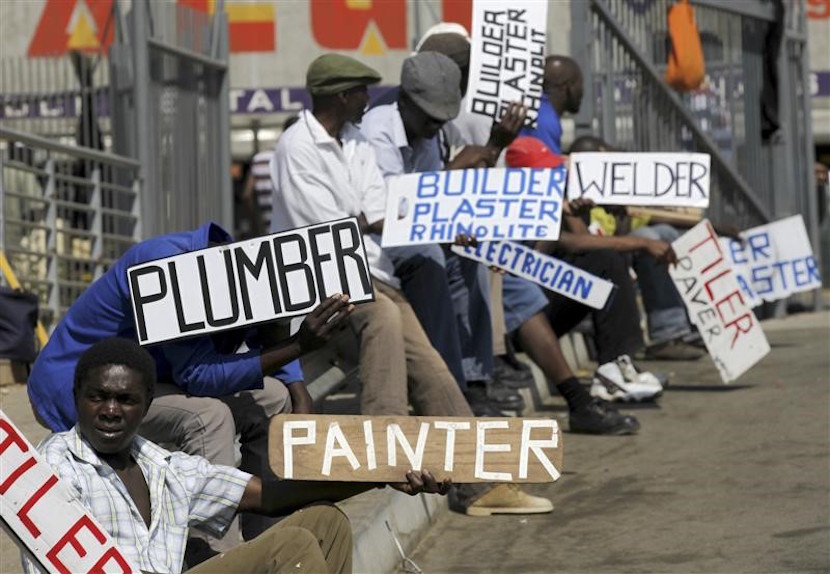
During the first quarter of 2022, South Africa realized an official unemployment rate of 34.5%, and in the first quarter of 2023 it realized 32.9%. Even thought this indicates a 1.6% year-on-year decline, it is still a stubbornly high rate of unemployment in a country, especially when 7.9 million people are estimated unemployed. These high levels of unemployment in South Africa have been attributed to the deteriorating state of the economy, skills shortage, lack of entrepreneurial opportunities for the youth, and lack of government support and aid for small medium size businesses.
The costs of unemployment are often overlooked by government in South Africa. In fact, these costs are detrimental to the individual, society, and the state. Overlooking these costs and failing to realize their long-term effects is what the government of South Africa is guilty of. It a ticking bomb, especially with the youth highly involved.
The first cost of unemployment is, of course beared by the individual which is also the most obvious, the loss of income. Unemployed people have no income aside from government transfers, this limits their economic ability and forces them to make very rational economic decision. Furthermore, as individuals lose touch with changes in work practices and technology, its de-skills them and reduces their productivity in the economy. Family destruction and drug abuse are no exception to the list.
Unfortunately, the costs of unemployment are not only limited to the individual, but they also often find their way to society and lead to de-stabilization. The society bears increased poverty, crime, and underdevelopment. Long term unemployment influences individuals to resort to crime, and this has been the case for South Africa with the high levels of crimes. Loss of income invites poverty and underdeveloped standard of living.
Moreover, the government and the economy are also negatively impacted by high levels of unemployment. The government losses tax revenue from workers and increased transfer payments to the public. The economy losses savings which are essential to the economic growth of the country. The economy further losses out on efficient allocation of its resources in human capital, which decreases potential gross domestic products inevitably limiting the economic abilities of the country.
These costs tend to have long term effects which are likely to be inherited by the future generation. The government of South Africa is not active enough in addressing these issues and this is a ticking bomb not only for them, but also for the society at large. The youth resorts to crime due to the lack of jobs and an un-transformative educational system. The government at all levels needs a strategy to address this high unemployment, which must include creating a friendly business environment and support for small medium size businesses, a reformed educational system that directly and proactively addresses the skills shortages due to sectoral shifts and technological advancements. Removing the covid-19 Social Relief of Distress (SRD) grant will be inhumane of the government of South Africa. This R350 grant can serve as a temporal measure whilst the government makes the necessary steps to address these high levels of unemployment in South Africa.