 Cinga Mgandela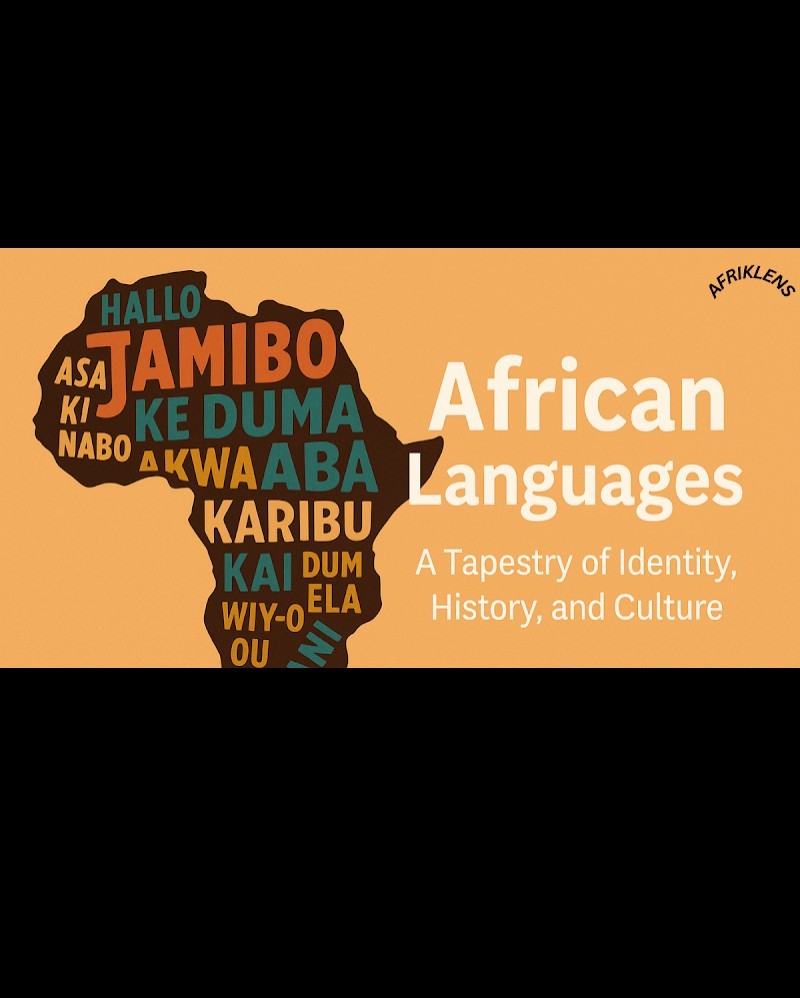
These words echo loudly in my mind:
“If one is going to talk about a language as a kind of repository of culture, then one has to take seriously the idea that language shapes our thinking.”
As I explore the complex relationship between language, culture, and identity, it becomes clear to me that our narratives are shaped by the words we use, the stories we tell, and the histories we reclaim.
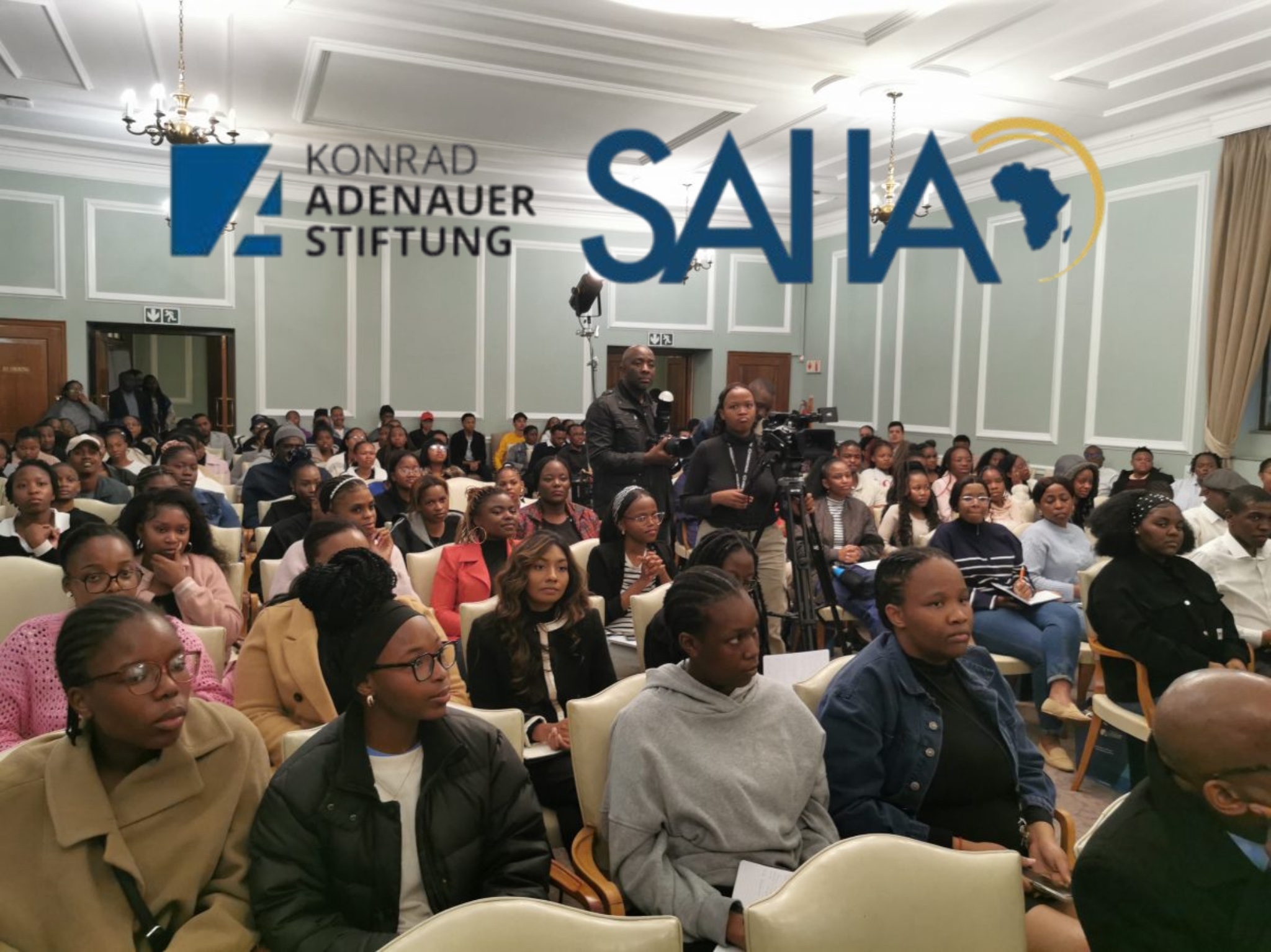
For the students: This conversation is crucial. We are not just passive recipients of knowledge, rather, we are active participants in shaping our own narratives. I’ve been reflecting on the importance of language in African societies, and how it has been impacted by colonization and historical marginalization. As I see it, the issue is not just about language, but about the power dynamics that come with it. Who gets to tell our stories? Who gets to define our cultures? These are questions that I believe we need to grapple with, especially as young Africans.
Let’s dive deeper into the conversation. I’d like to share some thoughts on the historical context of language in Africa, and how it has influenced our narratives. Before colonization, many African societies placed a very high value on language and speech. Speech was seen as divine and more important than any other forms of communication. Spoken language was central to African ways of thinking.
However, during colonialism and the slave trade, African indigenous knowledge systems and languages were systematically undermined in order to erase African contributions to history and the knowledge production. This has had a lasting impact on how we perceive ourselves, our cultures, and our languages.
In the post-colonial era, the legacy of language and suppression and cultural erosion continues to impact African societies. Many African countries inherited colonial languages as official languages, which has led to a complex linguistic landscape. While African languages continue to be spoken in homes and communities, colonial languages often dominate formal education, government, and media.
The impact of this linguistic hierarchy can be seen in various aspects of African life, from education to media representation. African languages are often relegated to secondary status, while colonial languages are prioritised.
This has resulted in a situation where many Africans are proficient in multiple languages, but often with a preference for colonial languages in formal settings. This preference can be attributed to the historical and economic advantages associated with speaking colonial languages. However, it also perpetuates the marginalization of African languages and cultures.
As students, we are caught in the midst of this linguistic complexity. We are often encouraged to prioritize colonial languages in our education, while our African languages are relegated to the background. However, we have the power to challenge this status quo and promote our languages and cultures.
As we strive to reclaim the African narrative, it’s essential to recognize the power of storytelling in shaping our identities and experiences. Following up on “Who’s telling our stories? Reclaiming the African Narrative and Archive”, storytelling can be a potent tool for reclaiming our narratives, allowing us to share our perspectives and challenge dominant discourses.
To reclaim our languages and cultures, we can harness the power of storytelling in indigenous languages. By doing so, we can promote linguistic diversity, preserve our cultural heritage, and challenge the dominance of colonial languages. Through storytelling, we can bring our languages to life, making them more accessible and relevant to new generations.
This approach can be complemented by other strategies, such as incorporating African languages into formal education systems, supporting language revitalization efforts, and promoting African languages and cultures through the arts and technology.
My communiqué to the student-youth community at large is that let us reclaim our stories, our voices, and our agency. Let us challenge the single narratives that have been imposed upon us and instead, tell our own stories, in all their complexity and nuance. Let us be a generation with a deep understanding of our shared humanity and equal worth. Let us create a world where our identities are not defined by narrow expectations, but by the fullness of our experiences.
Let us make our cultures, let us shape our narratives, let us define our own identities, and let us do it with courage, with conviction, and with the knowledge that we are capable of creating a different and better world. We must do this, not just for ourselves, but for the future generations, that they may inherit a world truer to themselves, a world where they can live freely, without the weight of societal expectations.
–MediaHouse150