 Cinga Mgandela
This piece was inspired by a conversation I had with my friend, Louisa Mkhabela, whose words reminded me that when we don’t tell our stories, we leave the world to define us.
One point from our exchange still echoes: we are often happy to be featured in someone else’s story – even when we know our stories deserve an entire library of their own. That validation, that feeling of being “seen” or “heard” by outsiders, can be intoxicating. But we rarely stop to ask: “at what cost?” If our stories are being told in a way that is incomplete or distorted, than that recognition comes with a quiet erosion of the truth.
I think part of this comes from a deep-rooted human need for recognition and acceptance, especially when our stories have been historically marginalized. It’s understandable – but it can be dangerous. To break free from this cycle, we must start practicing self-awareness, especially because we’re the generation of change makers. If we can lean into our own creative expression – unapologetically – we will grow less dependent on external validation and more confident in our own voices.
This work is both individual and collective. We reclaim our narratives by working on ourselves and working with each other. By doing so, we catalyse a cultural shift that makes it harder for incomplete or one-sided portrayals to dominate.
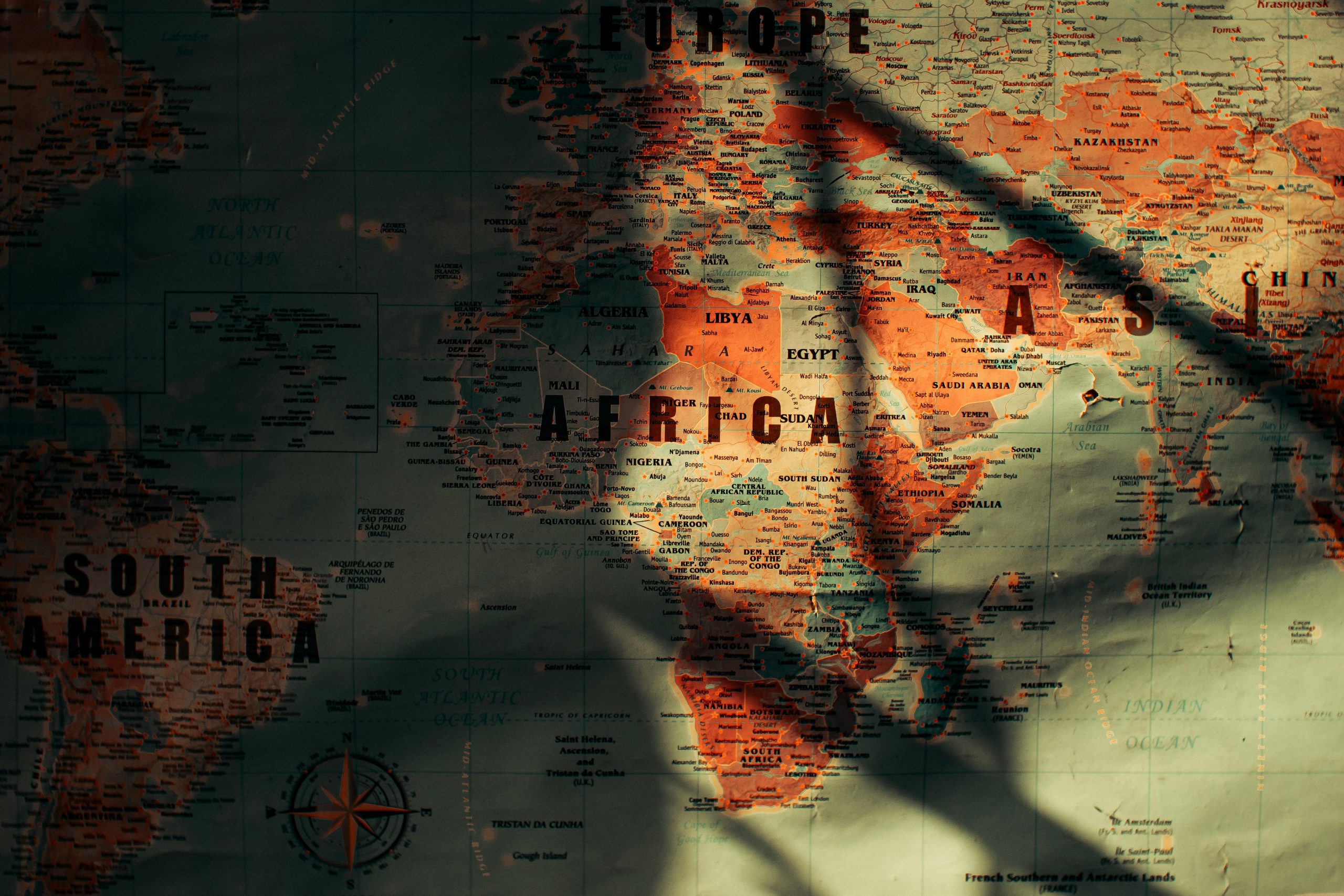
Colonization didn’t just strip Africa of minerals and land; it took fragments of our consciousness. My friend puts it powerfully: “Our stories were stolen just like our resources, only to be repackaged and sold back to us.” The thing about our stories, though, is that we can reclaim them – but we must be conscious enough to recognize when they’re being told without us.
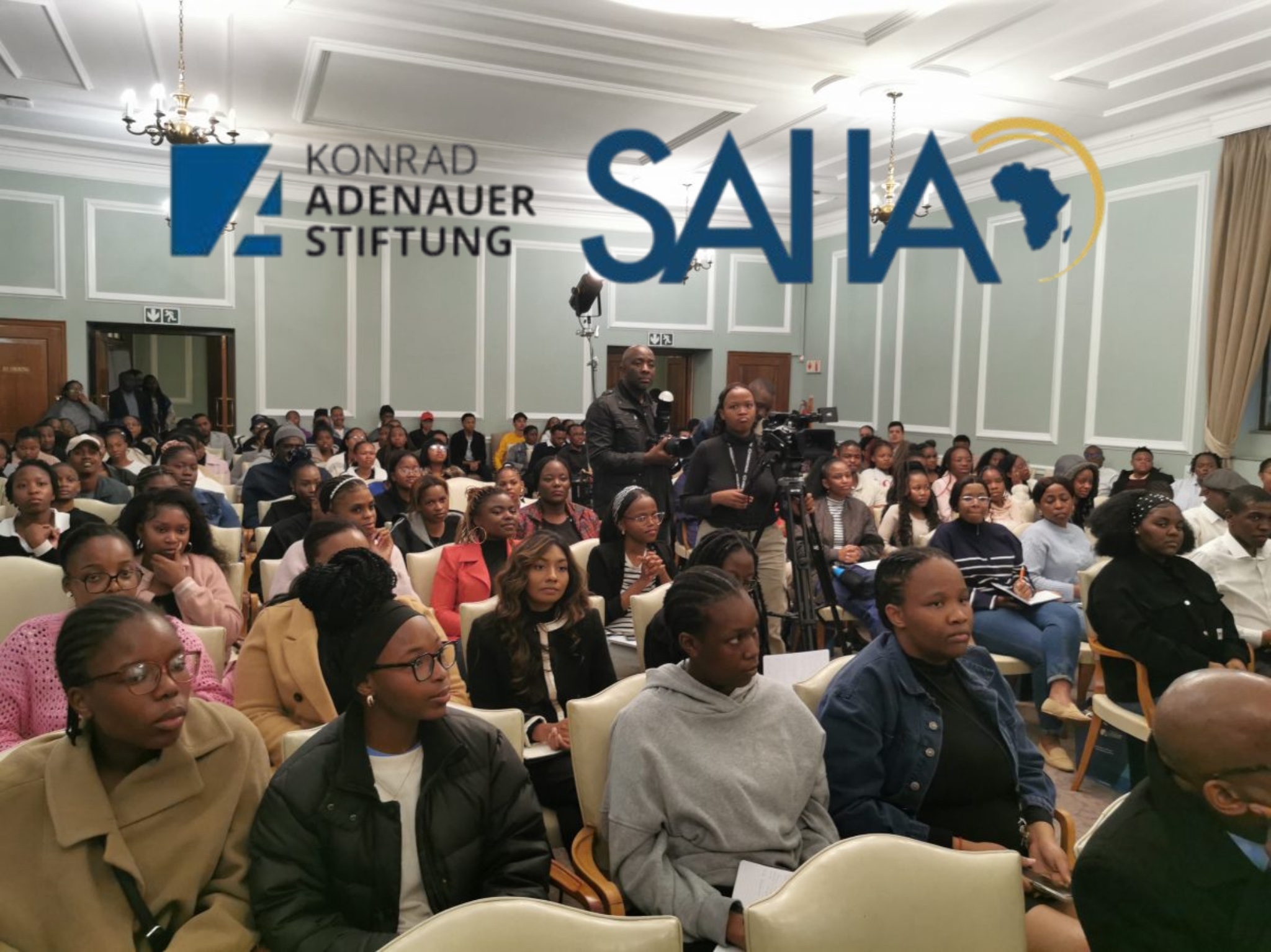
As young Africans – whether in classrooms, lecture halls, or already navigating the wider world – we are not simply future leaders; we are present-day narrators. We have the power to correct misinformation, amplify stories of brilliance, and archive the beauty and progress we witness every day. Storytelling isn’t just literature – it’s a demonstration of ownership over our history, our identity, and our future.
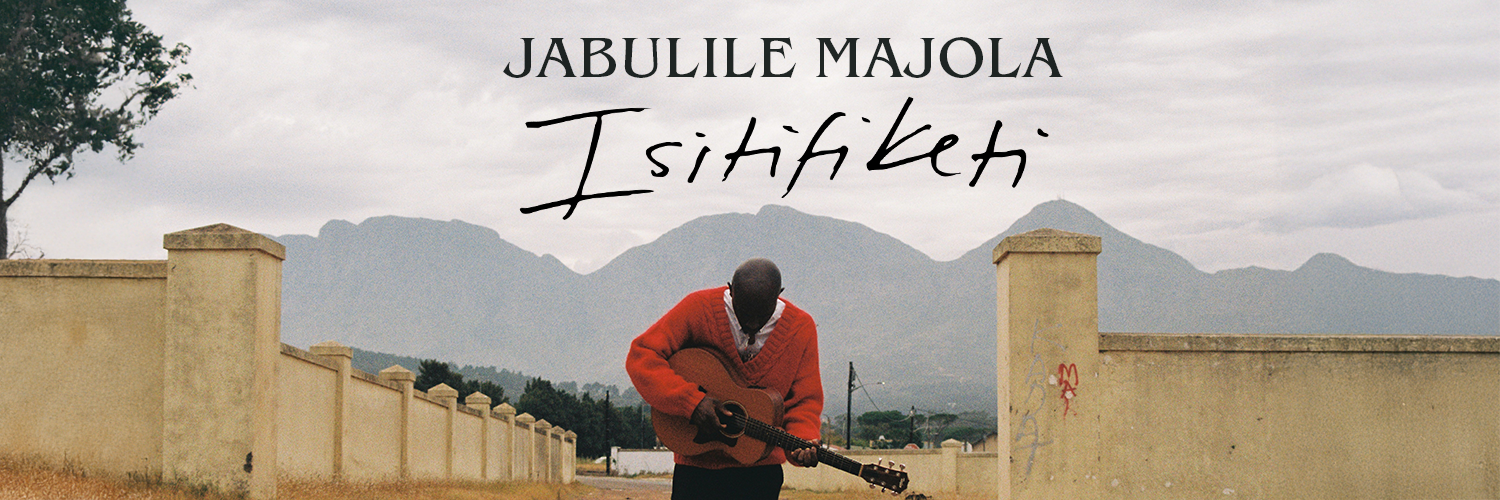
We must move from “This is how an African story is told” to “This is how an African tells an African story.” Through journalism, literature, music, podcasts, documentaries, and even quick social media posts, we can reclaim our narrative. And when we tell it ourselves, we tell it fully – the struggles and the triumphs, the history and the progress, the pain and the joy.
If we don’t take control of telling our stories, the world will keep defining us in ways that diminish our worth. But if we do, we build a library of truth that no one can rewrite.
Once again, thank you Louisa for reminding me that storytelling is not just an art – it’s a responsibility we all share.
-MediaHouse150