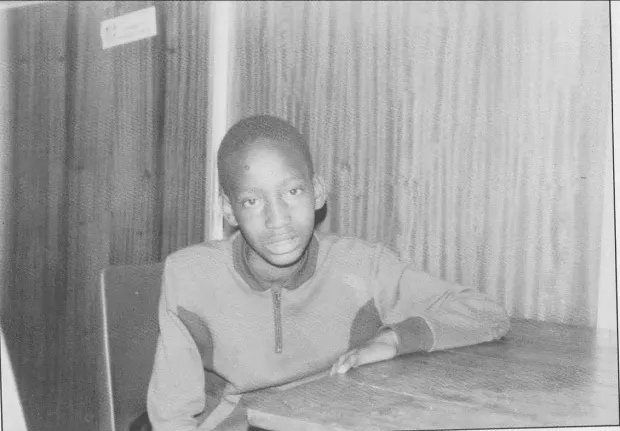
 Mfundo Ndima
Dear African Students
We celebrate 25th May commemorating the event of 1963 in Ethiopia which was a culmination of events starting from July 1959 characterized by a resistance pledge to form a community of independent African states. Our forefathers leading thirty-two (32) nations of Africa met in Addis Ababa and sat in a table to rethink and assert a new independent future for African people forming the Organisation of African Unity (OAU). In this table, of course, their main contention was to create a platform in which the new Africa will unite on and integrate with one another, outside of colonial powers. The sitting of this round table is why we celebrate Africa day today.
Of this day, with the Africa we have today, what is there to celebrate? Attending to this question utilizing a benchmark (e.g. OAU objectives) is subject to multiple interpretations of different scholarships and so for the sake of clarity I will use events. These events depict the Africa we are and have today. They make clear the extensions of colonialism and imperialism in modern communities, economies, and knowledge production institutions like universities.
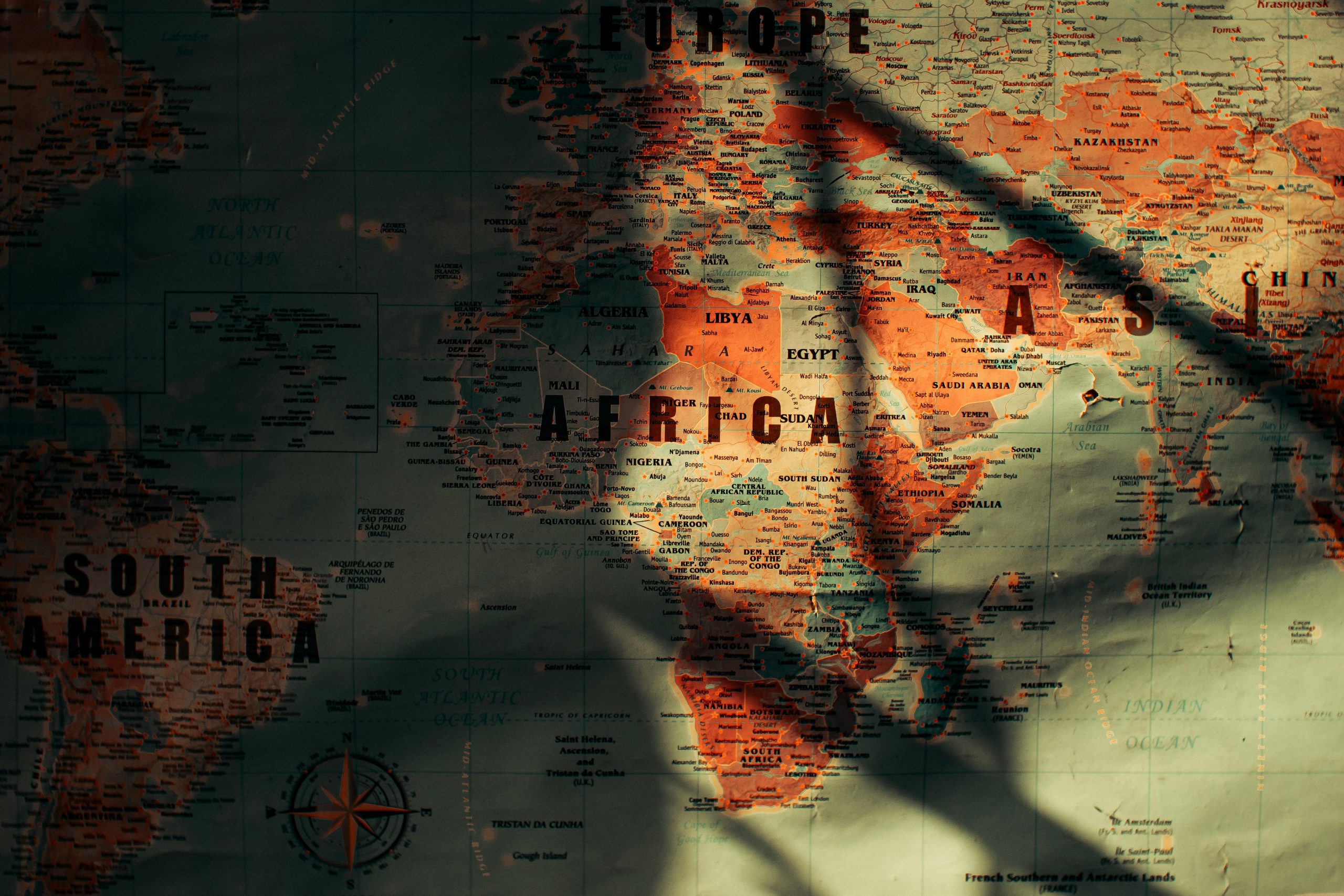
As I pen this letter, my mind is in contention with the fact that there are more than thirty-five (35) non-international armed conflicts in Africa today. I don’t have time to quote and present you with casualty statistics to strengthen my argument, those numbers are people’s lives. Many displaced forced to wonder the African land which regurgitates them because of the boarder systems drawn in a round table in Germany, the scramble of Africa’s resources. Interesting about these on-going conflicts, they are amongst us. It is no longer the white man pulling the trigger of the gun to kill the black man, rather the black man shoots as if he is colour blind. Yes, some of these conflicts have foreign interference and some are results of ‘puppet regimes’, but the killing is done by us to each other. Which Africa are we celebrating kanti?
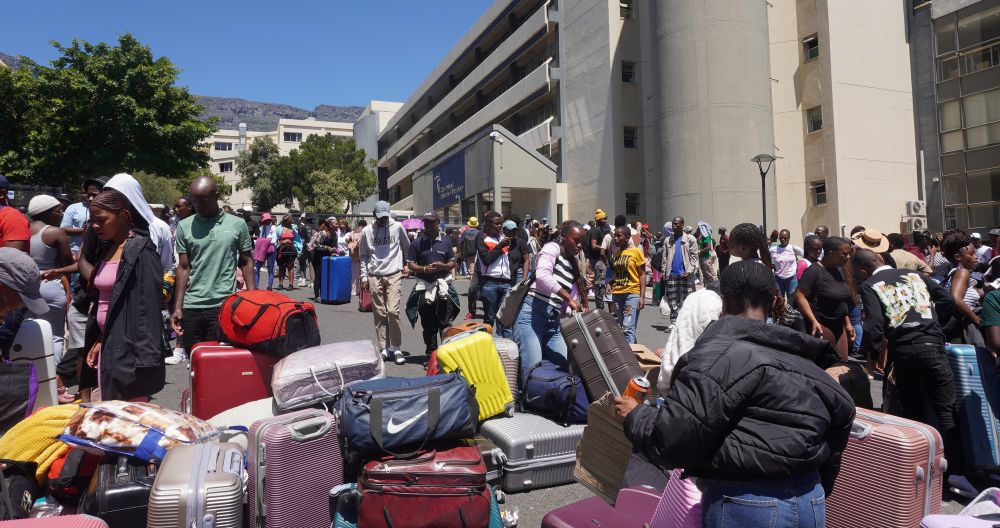
Aside from the atrocities we are committing to one another, Africa day can also be categorized into segments of society. The segment I wish to focus on now is the student community, my target audience. Over the course of Africa’s independence, numerous events have characterized student activism which at times overlaps with the broader community. For sake of clarity again, allow me to use only one event, #FeesMustFall#RhodesMustFall. The justification I give for the selection of this particular event is that the formation of the OAU in 1963 was not only aiming to path a unified African states independent future, but it also aimed to deal with colonialism and coloniality in their every aspect and effect on Africa. Furthermore, this event is off a resistance formation against neocolonialism, coloniality, and imperialism by university students across the globe. As such, the event chosen fits theoretically my case and appeals to the targeted audience
There’s nothing African about today’s universities’ except that the majority of its students are African. Prof Ndlovu-Gatsheni make it the point that epistemic violence was continually perpetuated in ‘African universities’ and that all universities in Africa are in a colonial structural design. Supporting the argument of epistemic violence against African knowledges are two cases of Dr Lwazi Lushaba vs HOD of Politics at the University of Cape Town (UCT) in 2016, and Dr Pedro Mzileni vs AfriForum at the University of Free States (UFS). If you read up these two cases, they easily sum up the barred type of knowledge in lecture rooms leading to the questioning of academic freedom.
Nkwame Nkrumah pens Neo-colonialism: The Last Stage of Imperialism in 1965 and he marks how the world finance system changes and what it meant for African economies and their resources. Today, we have a theoretical concept of ‘mineral/resource curse’ because of the seen bloodshed in countries with rare earth minerals, a partial result of neocolonialism. #FessMustFall#RhodesMustFall is an event, a movement formed by students standing against the perpetuated epistemic violence of African knowledges, and a stand against the neo-colonial liberal structure taken up by ‘African universities’ which economically excludes students and staff.
Before I rest my pen, what role befits students of today across universities? With a decade analysis of #FeesMustFall, how far have students of today taken the generational mission on their hands to decolonize education? Clearly we cannot say with a proud chest that we are celebrating Africa day. We are not united neither are we free from coloniality.
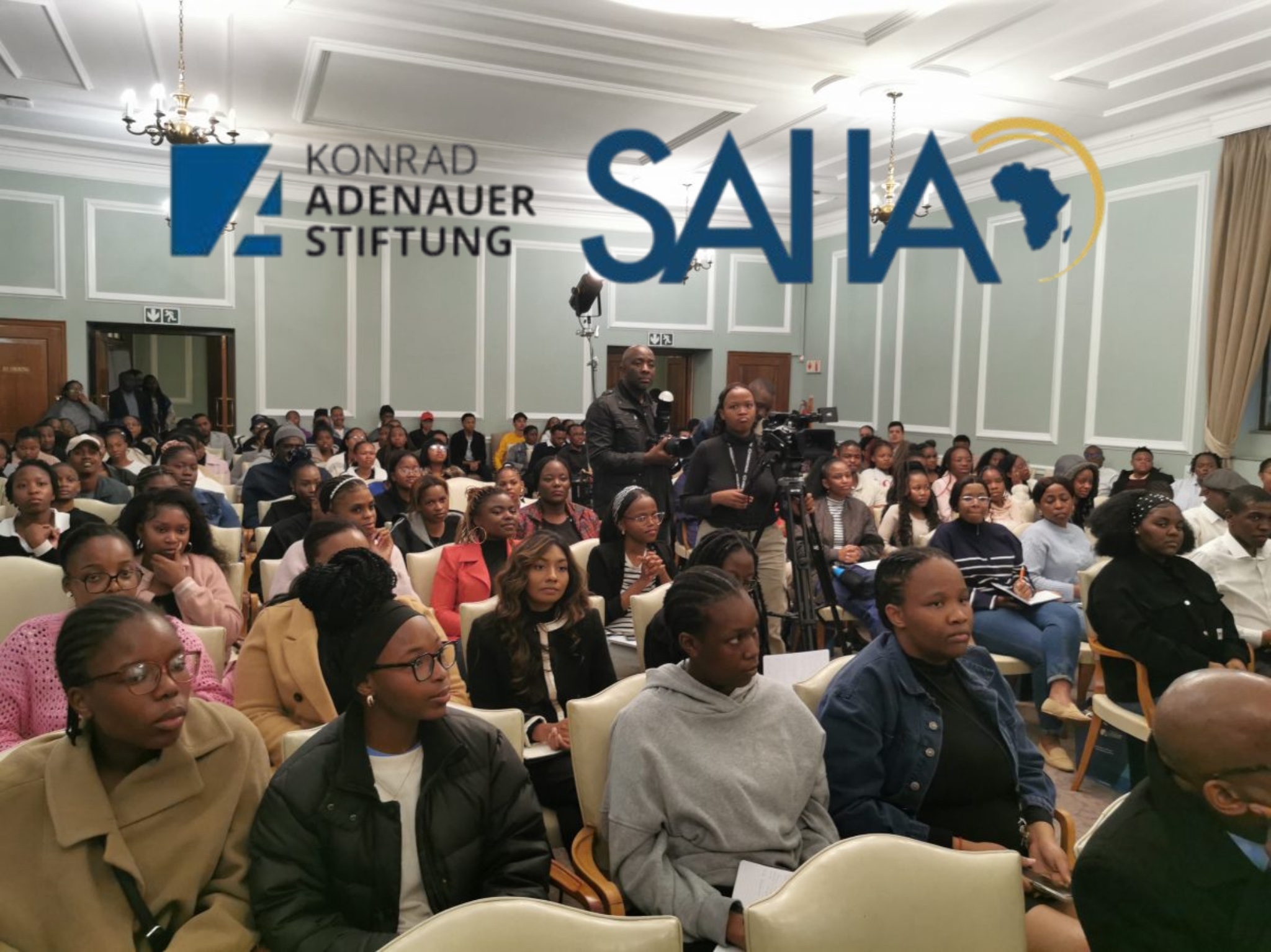
Nelson Mandela University and Wits University held Africa week characterized by panel discussions on African matters and outdoor networking events. Such events are in fact not farfetched when it comes to decoloniality attempts. From within, that’s where students should start accessing their role in Africa matters beyond classroom discussions so that in future, we have a united free Africa to celebrate.
Kunini Kanti?
Goba msenge udliwe zimbuzi,
Kunini uphehla udweshu kwabohlanga?
Awunamahloni.
Bangaki asebefele ezandleni zakho?
Intandane, isalukazi, ikehla, awuxoleli awuzweli.
Izizukulwane zabaNtu kade zilwa nawe,
Uzicindezela uthi ‘Amaqaba’.
Ewu! Salusugoba msenge udliwe zimbuzi.
Kunini kanti? Ufa nini sibe nokuthula endlini emnyama?
Liningi igazi elivuza ezandleni zakho.
Hlanagana ndlemnyama.
Inja isizalele kwanele endlini.
Lomgodoyi owenu manje ninanzalo entsha yabaNtu,
Ngoba inkunzi isematholeni.
Kind Regards.
-MediaHouse150